
Ceramic and graphene coatings both create a durable hydrophobic layer over automotive paint. The best choice is not simply the product with the longest claim; it is the coating that matches your expectations, driving conditions and maintenance routine.
What ceramic coating does well
Ceramic coatings are known for deep gloss, chemical resistance and strong water repellence. They make routine washing easier because dirt and road film bond less aggressively to the surface.
A ceramic coating does not prevent stone chips or deep scratches. Its strength is preserving gloss and reducing environmental damage when the car is maintained correctly.
Where graphene coating differs
Graphene-enhanced coatings are designed to improve slickness, heat dissipation and resistance to water spotting. They can be especially appealing for darker vehicles where gloss and surface behaviour are easy to notice.
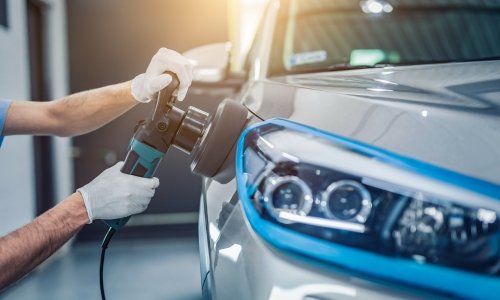
Real-world performance still depends on paint preparation, application conditions and aftercare. A carefully installed ceramic coating can outperform a poorly prepared premium graphene package.
How to make the right choice
Choose based on the condition of your paint, where the car is parked, how often it is washed and the finish you want. A professional inspection is the safest way to avoid paying for protection that does not suit your use.
- Choose ceramic for proven gloss and easier routine maintenance
- Consider graphene for added slickness and water-spot resistance
- Correct swirls and defects before either coating
- Follow the recommended wash and maintenance schedule